Journal
Essays from Dr Yudara Kularathne, emergency physician and founder of Hii.Health, on digital biomarkers, microvascular vitals, and what it takes to see the body drift before it falls.
11 essays · 73 min total
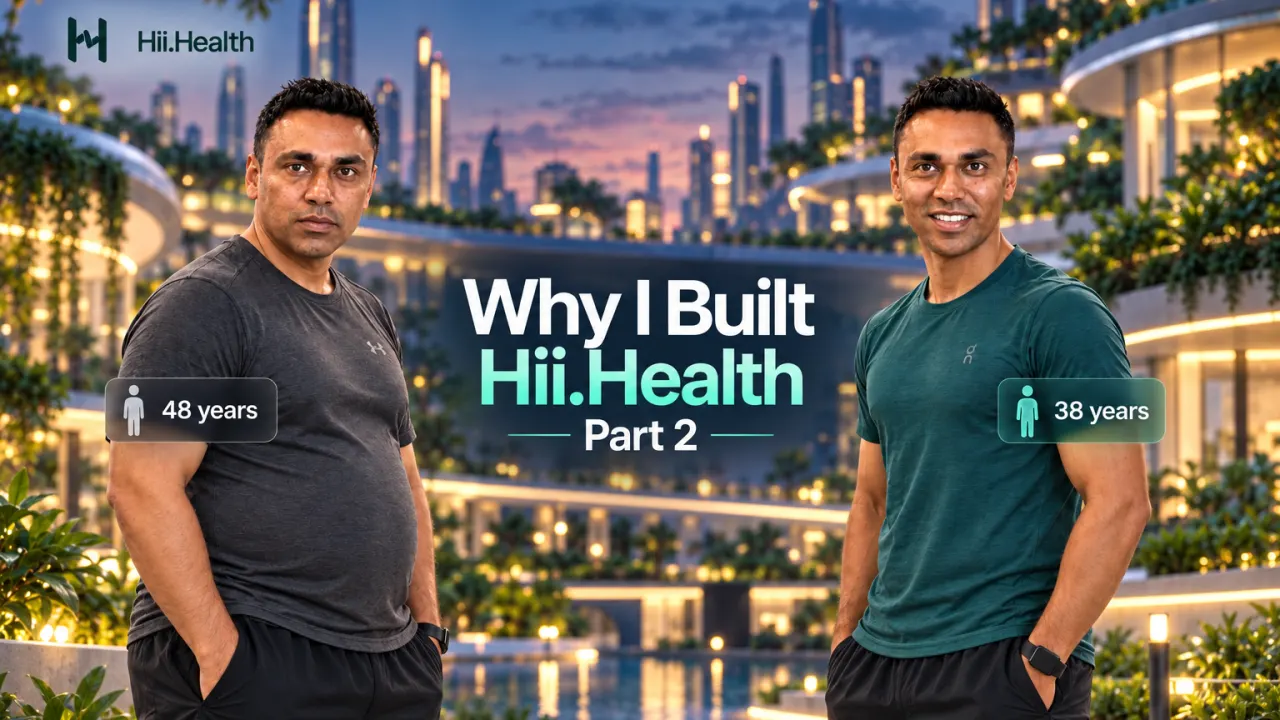
Part 2 of the founding story: chasing an inflammation blind spot from hsCRP 1.5 to 0.39 mg/L, the idea of "inflammation load", and the crazy question of whether a camera can track biological ageing.
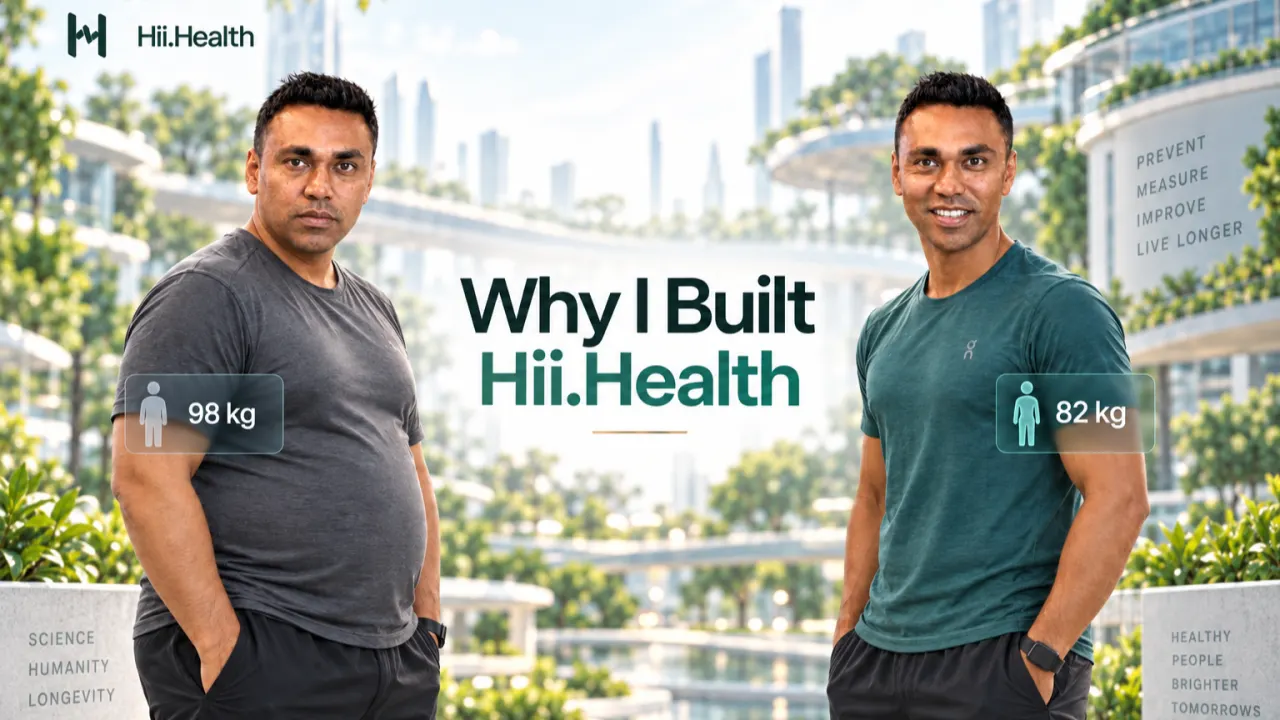
A personal story: from 96 kg, hypertensive and biologically 48 to 82 kg and biologically 38 — and how a stubborn recovery problem became the hydration biomarker that started Hii.Health.
The founding thesis of Hii.Health: turn the phone people already own into a window on hydration, inflammation and biological aging — signals translated into states, not another dashboard.
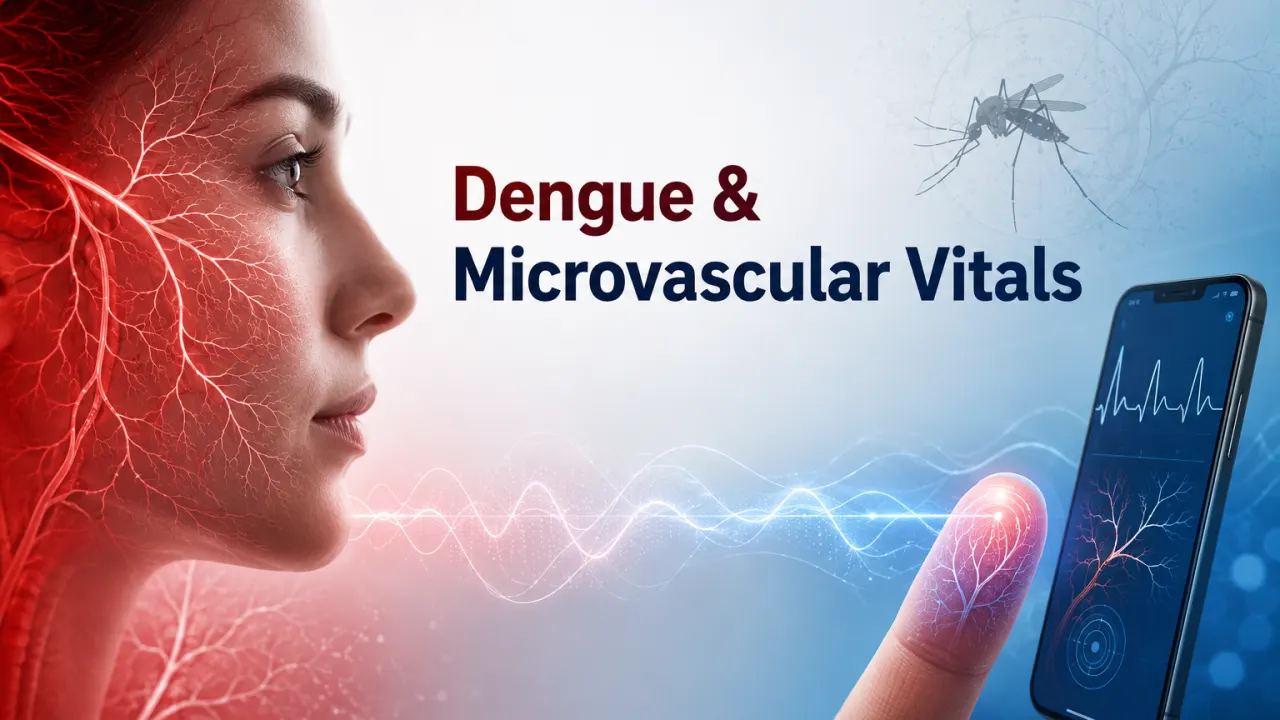
The most dangerous hour of dengue looks like recovery. A phone camera, a fingertip, and the gap between them may let us see compensation before collapse.
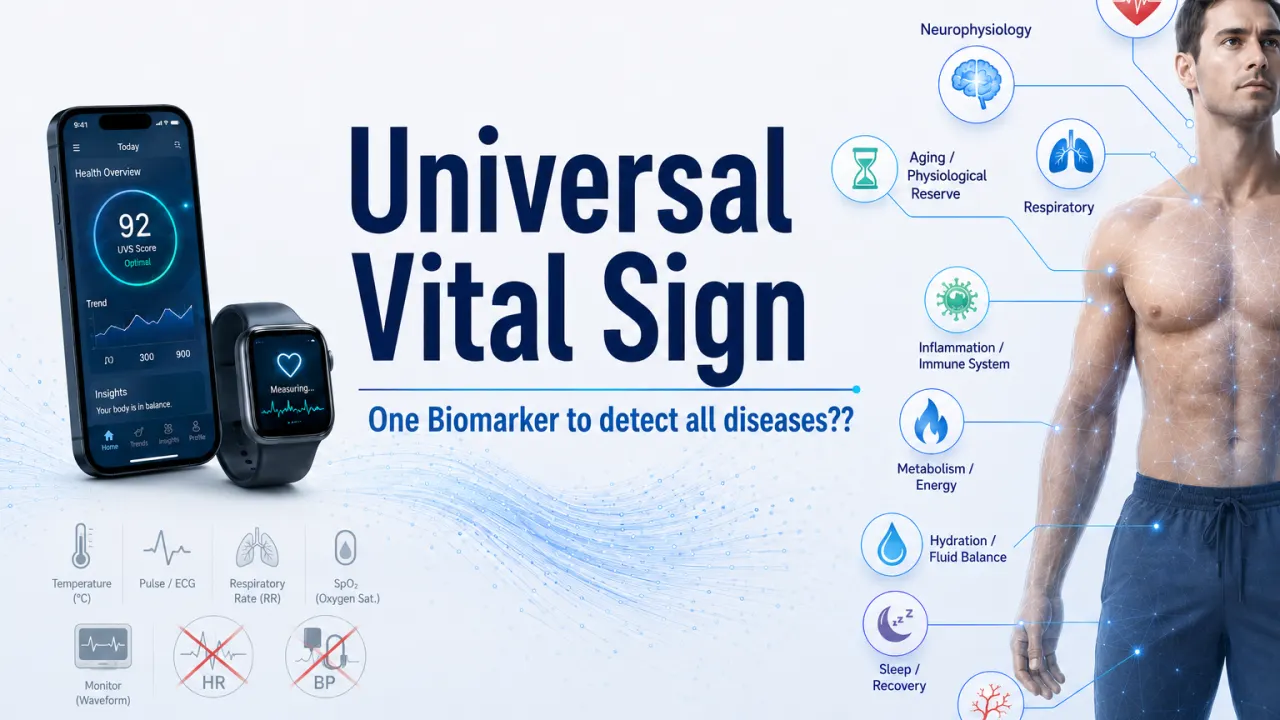
Five numbers were designed for a world of snapshots. The body is a movie. What would one continuous signal of physiological stability look like?
In resus we read physiology before we read the story. For the first time, a consumer health agent is starting to do the same.
An opinion from an infectious disease physician and an emergency physician. Dengue taught us not to wait for collapse; Ebola care needs the same bedside discipline.
Once a wearable is cheap, passive and comfortable enough for mass adoption it stops being a gadget and becomes a data layer for human physiology. AI will start asking new questions of the signal itself.
Beyond heart rate and SpO₂, toward a new physiological data layer. We are sitting on a pile of golden microvascular data and compressing it back into old vitals.
Between vital signs that are objective but vague and medical states that are meaningful but unmeasurable sits a missing middle layer. Microvascular Vitals are a proposal to fill it.
Regulation is not a rulebook you follow; it is a living organism. Notes from a founder who was early, on the January 2026 shift toward risk-based guidance for clinical decision support and wellness products.